
 November 8, 2026
American Jewish Historical Society (I-77)
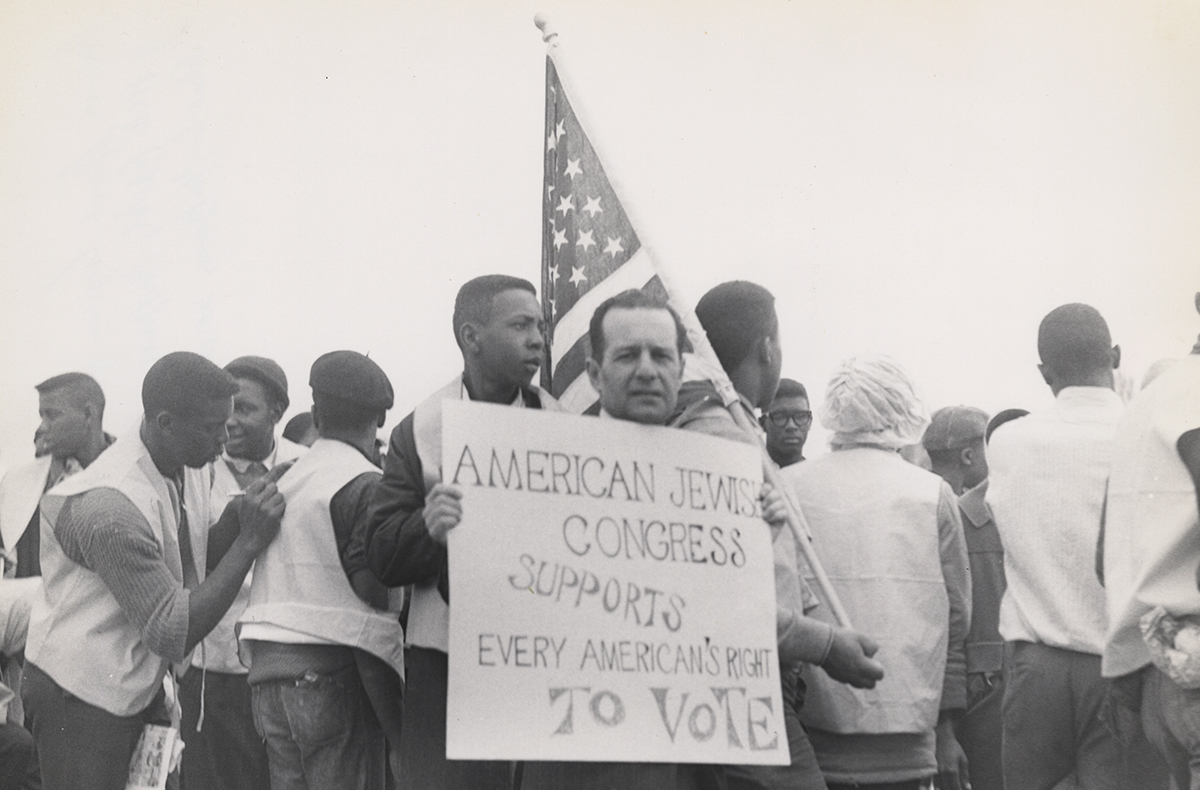
To mark the 250th anniversary of the signing of the Declaration of Independence and in conjunction with the new exhibition, All We Have Standing Between Us: 250 Years of Jews and American Democracy, the Center for Jewish History and the American Jewish Historical Society are proud to present a full-day symposium, Jews and American Democracy: 250 Years of Debate.
While Jews have been deeply involved in the American democratic experiment since 1776, they have seldom spoken in a unified voice about how best to achieve its guiding ideals. Across generations, Jews have vigorously debated the opportunities and challenges presented by the principles of freedom, equality, popular sovereignty, and economic opportunity, voicing their views from multiple political perspectives. Whatever their differences, however, Jews have remained united in their pursuit of the promise of American democracy.
Jews and American Democracy brings together a distinguished group of scholars to explore questions surrounding the history and present-day engagement of Jews in American political life. The symposium features four panels: “One Community, Many Voices: American Jewish Political Traditions”; “The Paradox of Belonging: Antisemitism in American Jewish History”; “The World at Large: American Jews and Foreign Policy”; and “After Exceptionalism: The Future of American Jewish History.”
Jews and American Democracy is made possible by the generous sponsorship of the Polonsky Foundation with support from the Leon Levy Foundation. The symposium is the latest installment of CJH’s Jewish Public History Forum, which regularly convenes public conversations on historical issues of contemporary relevance.
Breakfast will be served before the first session, with lunch served at 12:30 p.m. Coffee breaks will also be provided throughout the day.
Since 1776, Jews have been deeply involved in the American democratic experiment. Yet they have rarely spoken with one political voice. Across generations, American Jews produced diverse perspectives on how to best realize the democratic ideals of citizenship, equality, and social and economic justice. Many worked within institutional networks to advocate for their most cherished causes, while others operated outside the mainstream and favored radical politics. While often united by a commitment to democratic participation, these factions frequently disagreed over the most effective means of achieving their goals for themselves and others. This panel examines the diversity of American Jewish thought and activism in the effort to identify larger trends in their political behavior.
University of Michigan
University of Wisconsin
George Washington University
The American Jewish experience has long been marked by contradictions. While Jews have enjoyed unprecedented opportunities for religious freedom and civic participation in the United States, they have frequently been exposed to antisemitism. Jews have long occupied a liminal position in American society, being viewed as both esteemed insiders and despised outsiders, loyal centrists and radical subversives, white allies and non-white “others.” How have American Jews have responded to this equivocal treatment? To what degree have Jews experienced hostility from the political right and left? To what degree have they responded to it by forging alliances with other marginalized groups? To what extent have Jews viewed the preservation of democracy as essential to their communal safety?
New York University
Syracuse University
Emory University
As in the sphere of domestic affairs, American Jews have displayed a wide range of views on American foreign policy. Balancing their civic commitments at home with a deep sense of global responsibility, Jews have established a long record of advocacy and activism pertaining to the most pressing and controversial world issues. Between debates over Zionism and the State of Israel, relations with postwar Germany, the domestic tumult surrounding the Vietnam War, and the mass mobilization of the Soviet Jewry movement, international events frequently reshaped American Jewish political practices. Panel three surveys how American Jewish engagement with foreign policy has both harmonized and clashed with their views on domestic issues.
American University
The Woodrow Wilson Center
Columbia University
For decades after 1945, scholars held that the course of American Jewish history was “exceptional.” They maintained that unlike that of European Jewry, the story of America’s Jews was defined by religious liberty and democratic inclusion. In recent decades, however, political polarization, violent antisemitism, and threats to democratic institutions have eroded the belief in American Jewish exceptionalism. As scholars increasingly agree that “exceptionalism” has outlived its usefulness, panel four questions how American Jewish history should be narrated and understood in a post-exceptionalist world.
Columbia University
Yale University
University of Florida
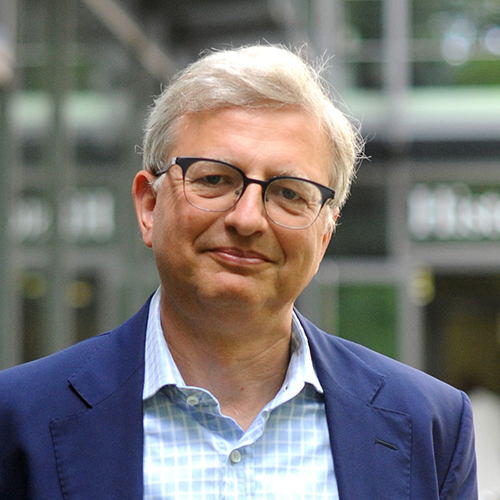
Michael Brenner is Distinguished Professor of History at American University in Washington, DC, where he holds the Abensohn Chair in Israel Studies and directs the Center for Israel Studies. He is also the Chair of Jewish History and Culture at Ludwig Maximilian University in Munich. Since 2011, he has been the International President of the Leo Baeck Institute. In 2020, he was the first recipient of the Baron Award for Scholarly Excellence in Research of the Jewish Experience. He has published widely on Jewish and Israeli history. His latest book is In Hitler’s Munich: Jews, the Revolution, and the Rise of Nazism (Princeton University Press, 2022).
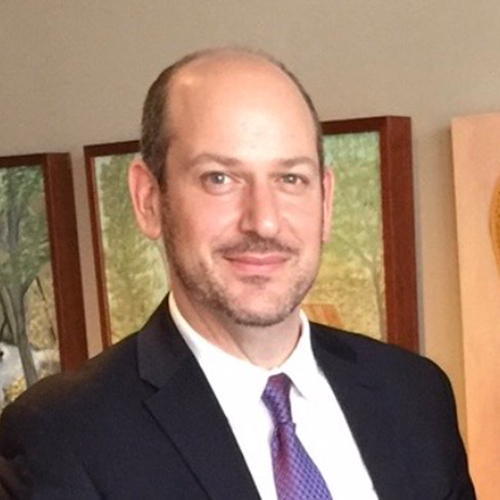
Eric L. Goldstein is Associate Professor of History and Jewish Studies at Emory University, where he also directed the Tam Institute for Jewish Studies for more than a decade. He is the author of the prize-winning book, The Price of Whiteness: Jews, Race, and American Identity (Princeton, 2006), and, with Deborah R. Weiner, On Middle Ground: A History of the Jews of Baltimore (Johns Hopkins, 2018). From 2007 to 2012, he was the editor of the quarterly scholarly journal, American Jewish History.
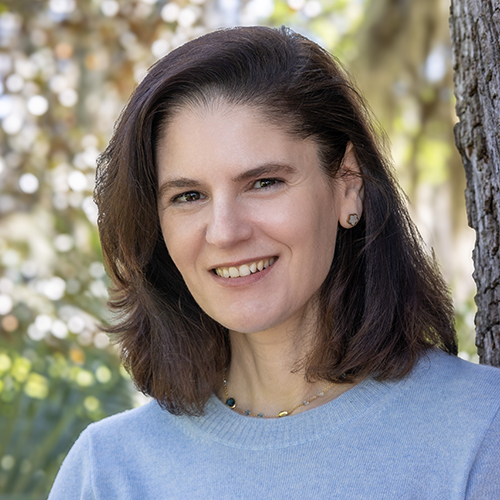
Rachel Gordan is the Samuel “Bud” Shorstein Professor of American Jewish Culture & Society at the University of Florida where she is associate professor of religion. She received her BA at Yale and her PhD at Harvard. Her book, Postwar Stories: How Books Made Judaism American was a Jordan Schnitzer book award finalist. Her academic articles have been published in Jewish Quarterly Review; Jewish Social Studies; The Association of Jewish Studies Review; and Religion and American Culture.
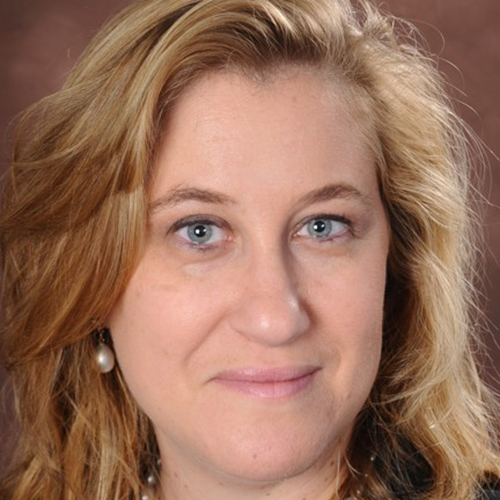
Rebecca Kobrin is the Russell and Bettina Knapp Full Professor of American Jewish History at Columbia University. A leading scholar of modern Jewish migration, her work spans international migration, urban history, American religion, and diaspora studies. She is the author and editor of several award-winning books, including Jewish Bialystok and Its Diaspora, recipient of the Jordan Schnitzer Prize, and Credit to the Nation: East European Jewish Immigrant Bankers and American Finance (2026). She is the co-leader of the acclaimed Historical NYC Project, a digital map visualizing demographic change in New York City from 1850 to 1940. She was awarded Columbia University's 2026 Presidential Teaching Award, the University's most prestigious teaching award. She has also received Columbia University’s Lenfest Distinguished Faculty Award for excellence in mentorship.
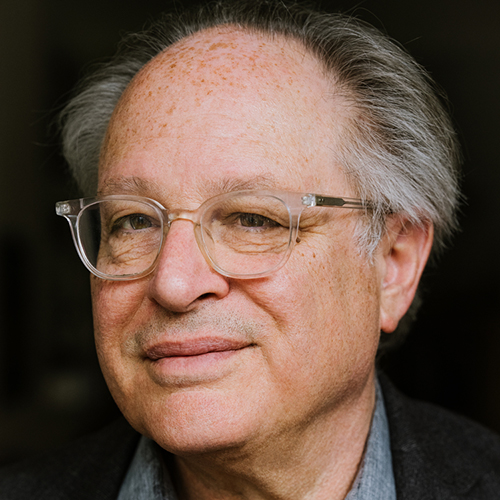
Nicholas Lemann was born and raised in New Orleans. He began his journalism career there as a 17-year-old staff writer for an alternate weekly paper called the Vieux Carre Courier. He graduated magna cum laude in American History and Literature in 1976 from Harvard College, where he was president of The Harvard Crimson. He has worked as a reporter and editor at The Washington Monthly, Texas Monthly, The Washington Post, The Atlantic (where he was national correspondent from 1983 to 1999) and The New Yorker (where he has been a staff writer for 27 years), and contributed to many other publications. From 2003 to 2013, he was dean of Columbia Journalism School, leading a period of significant growth and change for the school, and since then he has been a professor there. At Columbia, he has also helped launch Columbia Global Reports, a publishing venture that he continues to lead, Columbia World Projects, and the Knight Columbia First Amendment Institute. From 2023 to 2025, he served as co-chair of Columbia’s task force on antisemitism. His books include The Promised Land (1991), The Big Test (1999), Redemption (2006), Transaction Man (2019), and Higher Admissions(2024), and, most recently, Returning (2026). He is a member of several honorary societies, including the American Philosophical Society, the New York Institute for the Humanities, the Society of American Historians, the American Academy of Political and Social Science, and the American Academy of Arts and Sciences, where he served as co-chair of the academy’s Commission on Reimagining Our Economy.
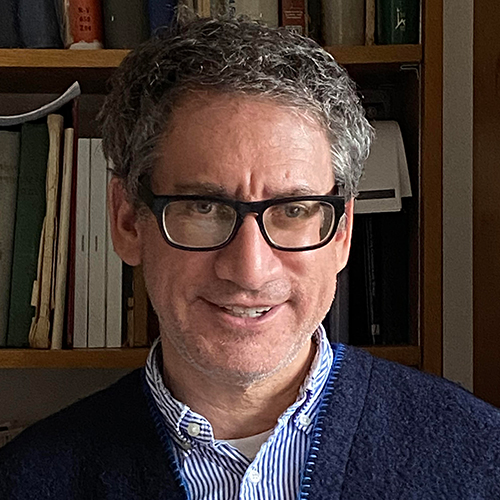
Tony Michels is the George L. Mosse Professor of American Jewish History at the University of Wisconsin-Madison. He’s the author of A Fire in Their Hearts: Yiddish Socialists in New York and editor of Jewish Radicals: A Documentary History, among other books. His new book, Tomorrow Is the Question: Jews, Russia, and the Making of the American Left, will be published by Yale University Press in the spring.
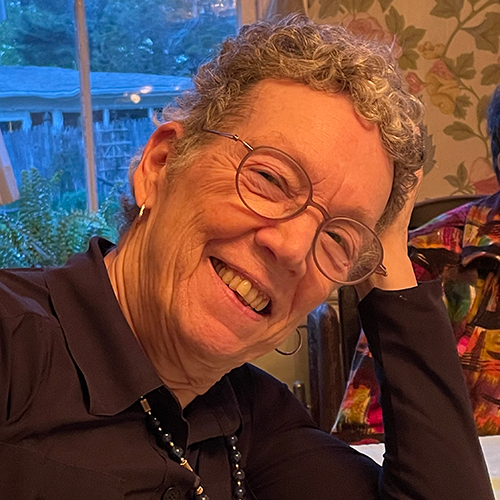
Deborah Dash Moore is Jonathan Freedman Distinguished University Professor of History and Judaic Studies at the University of Michigan. An historian of American Jews, she specializes in 20th-century urban history. Her recent book, Walkers in the City: Jewish Street Photographers of Mid-Century New York (2023) extends her interest to street photography. Currently, she serves as editor in chief of the Posen Library of Jewish Culture and Civilization, a ten-volume anthology of original sources translated into English from the biblical period to 2005, selected by leading scholars.
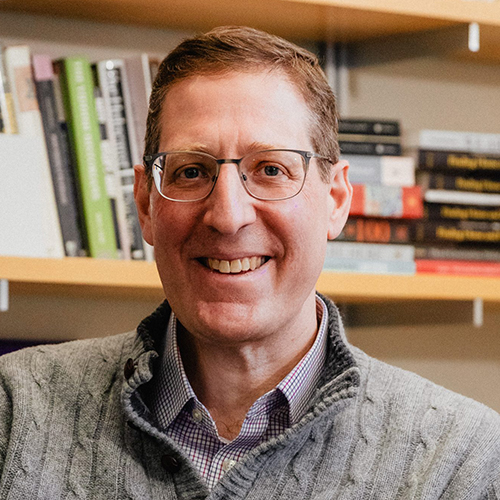
Avinoam Patt is the Maurice and Corinne Greenberg Professor of Holocaust Studies at New York University, where he also serves as Director of the Center for the Study of Antisemitism. Dr. Patt previously held the Doris and Simon Konover Chair of Judaic Studies at the University of Connecticut, where he served as Director of the Center for Judaic Studies and Contemporary Jewish Life. He is the author of multiple books on Jewish responses to the Holocaust, including Finding Home and Homeland: Jewish Youth and Zionism in the Aftermath of the Holocaust (2009); co-editor of a collected volume on Jewish Displaced Persons, titled We are Here: New Approaches to the Study of Jewish Displaced Persons in Postwar Germany (2010); and is a contributor to several projects at the USHMM, including Jewish Responses to Persecution, 1938-1940 (2011). He completed a book on the early postwar memory of the Warsaw Ghetto Uprising (The Jewish Heroes of Warsaw: The Afterlife of the Revolt, 2021). Together with David Slucki and Gabriel Finder, he is co-editor of Laughter After: Humor and the Holocaust (2020) and, with Laura Hilton, Understanding and Teaching the Holocaust (2020). His most recent books include Israel and the Holocaust (2024), the document collection, The Surviving Remnant: Jewish Displaced Persons in Postwar Germany (2024), and the edited volume, Wit Happens: Global Jewish Humor (2026).
Daniel B. Schwartz is Professor of History at The George Washington University, where he specializes in modern European and American Jewish intellectual, cultural, and urban history. He is the author of The First Modern Jew: Spinoza and the History of an Image (2012) and Ghetto: The History of a Word (2019), as well as the editor of Spinoza’s Challenge to Jewish Thought (2019). He is currently writing Rooms and Ruins: The Making of an Intellectual Capital on New York's Upper West Side. Schwartz chairs the Academic Advisory Council of the Center for Jewish History and serves as co-editor of the Stanford Studies in Jewish History and Culture series.
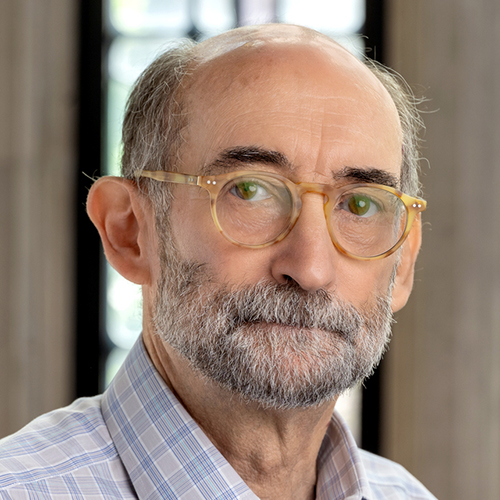
David Sorkin, Lucy G. Moses Professor at Yale, is the author of six books: The Transformation of German Jewry, 1780-1840 (1987); Moses Mendelssohn and the Religious Enlightenment (1996); The Berlin Haskalah and German Religious Thought (2000); The Religious Enlightenment: Protestants, Jews, and Catholics from London to Vienna (2008); Jewish Emancipation: A History Across Five Centuries (2019); and most recently, The Emancipationists: Nineteenth-Century Jews' Campaign for Citizenship (2026).
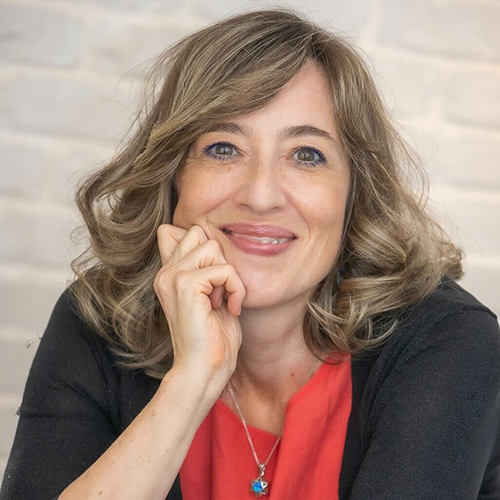
Izabella Tabarovsky is a scholar of Soviet antizionism and contemporary antisemitism and the author of Be a Refusenik: A Jewish Student’s Survival Guide. She is a fellow with the London Centre for the Study of Contemporary Antisemitism; the Comper Center for the Study of Antisemitism and Racism at the University of Haifa; and the Z3 Institute for Jewish Priorities in Palo Alto.
A contributing writer at Tablet magazine, she has also published in Newsweek, Sapir, Quillette, The National Interest, Fathom, Hadassah Magazine, the Forward, and the Jewish Telegraphic Agency. Her essays have appeared in several edited volumes, including October 7: The Wars over Words and Deeds (Academic Studies Press); The Rebirth of Antisemitism in the 21st Century: From the Academic Boycott Campaign into the Mainstream (Routledge); Mapping the New Left Antisemitism: The Fathom Essays (Routledge); Sionismo y antisionismo: Un debate necesario (RiL editores); and Jewish Priorities: Sixty-Five Proposals for the Future of Our People (Wicked Son).
Her work has been translated into Spanish, French, Portuguese, German, Polish, Russian, Czech, and other languages.
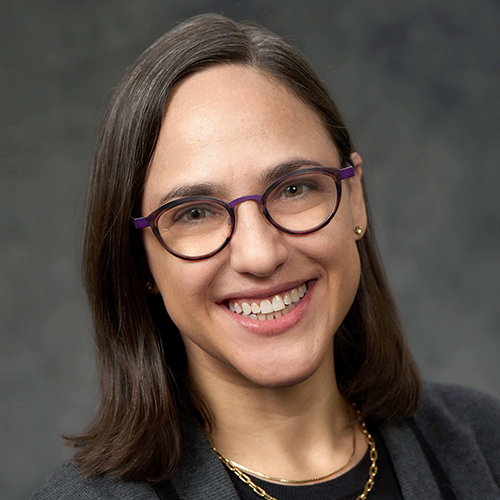
Britt P. Tevis is an Assistant Professor of History and the Backer Professor of Jewish Studies at Syracuse University. She earned her JD and PhD in history from the University of Wisconsin-Madison; her work has been published in the Journal of American History, the American Journal of Legal History, and American Jewish History, and she has held fellowships at the Institute for Israel and Judaic Studies at Columbia University, the Katz Center for Advanced Judaic Studies at the University of Pennsylvania, and the Program for the Study of Antisemitism at Yale University. In 2026, she published Sanctioned Bigotry: A Documentary History of Antisemitism in the United States with Yale University Press.
All We Have Standing Between Us: 250 Years of Jews and American Democracy is made possible thanks to generous funding from the Leon Levy Foundation.
Additional funding is provided by the Knapp Family Foundation, Achelis and Bodman Foundation, the Atran Foundation, and Anonymous.