


Job Openings
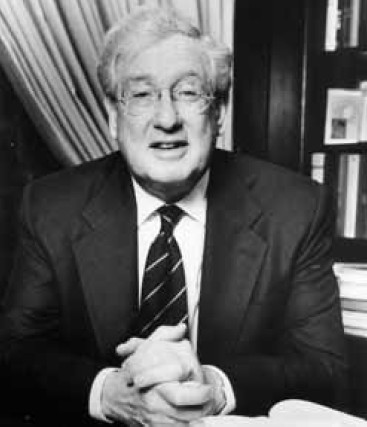
It is with profound sadness that we announce the passing of our Visionary Founder and Chair Emeritus, Bruce Slovin. His passion, leadership, and unwavering dedication made the Center for Jewish History a reality by uniting five renowned institutions under one roof to preserve and share the Jewish historical record with the world. We are honored to carry forward his legacy and mission. May his memory be a blessing, z"l.
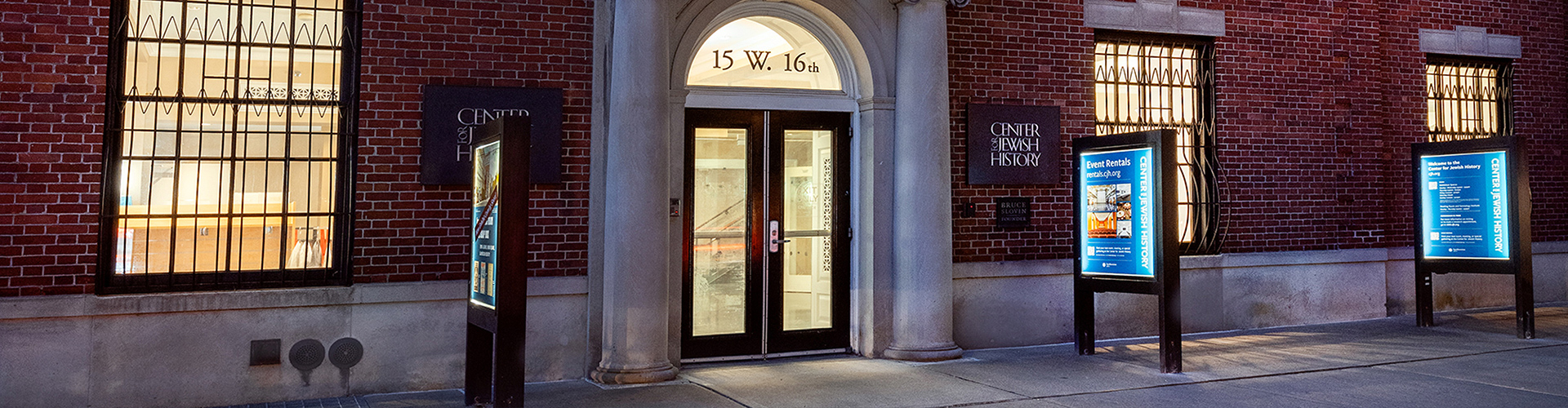
The Center for Jewish History is home to five partners—American Jewish Historical Society, American Sephardi Federation, Leo Baeck Institute, Yeshiva University Museum, and YIVO Institute for Jewish Research. The partner collections total more than five miles of archival material and span nearly a thousand years of history. When the Center opened its doors as the new "Library of Congress of the Jewish people," it made a commitment to preserve the treasures that live within its walls and make them accessible to scholars, students, and diverse audiences. The Center relies on philanthropic support to do this work.
The Center is currently looking to fill the following position/s:
The Membership & Development Administration Manager supports the day-to-day operations of the Development department, with primary responsibility for membership administration, donor acknowledgements and stewardship, database management, fundraising support, events, and departmental administration.
This position serves as a key point of contact for members and works closely with Development, Communications, Finance, and other departments to ensure accurate records, timely communications, and effective administrative support for membership and fundraising activities.
Salary: $68,000 – $80,000
The Center for Jewish History is an Equal Opportunity Employer.
To apply, please submit a resume and cover letter to jobs@cjh.org. No phone calls please.
The Center for Jewish History seeks an engaging, dependable, and service-oriented part-time Assistant Educator to support Inside Kristallnacht, the Center's immersive Holocaust education experience. Working closely with the Lead Educator and Visitor Engagement team, the Assistant Educator will facilitate scheduled student and public sessions, orient participants to the experience, provide historical context, guide reflection and discussion, and help maintain an organized and welcoming learning environment.
The Assistant Educator will also support program preparation, participant feedback and evaluation, and day-to-day program logistics. Because this role is part of the Visitor Engagement team, the Assistant Educator should be comfortable providing occasional front desk coverage and assisting with general visitor-service responsibilities when program needs allow.
This role is well suited to someone who enjoys working directly with students and visitors, can approach sensitive historical material with care, and is comfortable balancing educational facilitation with practical front-of-house support.
Salary: $25 per hour
The employee is regularly required to stand and move throughout the Center and may spend extended periods standing while facilitating programs or supporting front-of-house operations. The employee may occasionally be required to lift and move program materials, supplies, or equipment weighing up to approximately 25 pounds. Reasonable accommodations may be made to enable individuals with disabilities to perform the essential functions.
The Center for Jewish History is an Equal Opportunity Employer.
To apply, email a resume and cover letter to jobs@cjh.org. No phone calls please.
The Center for Jewish History seeks a welcoming, dependable, and service-oriented Visitor Engagement Associate to provide front-line support to visitors, researchers, program attendees, and guests. The Associate will serve as a knowledgeable ambassador for the Center, helping create a professional and positive experience from arrival through departure.
The Visitor Engagement Associate will provide front desk coverage, support admissions and ticketing, assist with retail and membership transactions, respond to visitor questions, support public programs and special events, and help maintain an organized and visitor-ready front-of-house environment. Sunday availability is required, and the role will also include additional weekday, evening, and weekend shifts based on the Center's schedule.
This position requires excellent customer service, sound judgment, attention to detail, and the ability to manage multiple priorities in a busy cultural institution.
Salary: $20 per hour
Frequency: Up to 29 hours per week; Sunday availability is required, with additional weekday, evening, and weekend shifts scheduled based on visitor and program needs.
The employee is regularly required to stand and move throughout the Center. The employee may occasionally be required to lift and move boxes, retail merchandise, printed materials, and supplies weighing up to approximately 25 pounds. Reasonable accommodations may be made to enable individuals with disabilities to perform the essential functions.
The Center for Jewish History is an Equal Opportunity Employer.
To apply, email a resume and cover letter to jobs@cjh.org. No phone calls please.
Legal Compliance: This link leads to the machine-readable files that are made available in response to the federal Transparency in Coverage Rule and includes negotiated service rates and out-of-network allowed amounts between health plans and healthcare providers. The machine readable files are formatted to allow researchers, regulators, and application developers to more easily access and analyze data.